
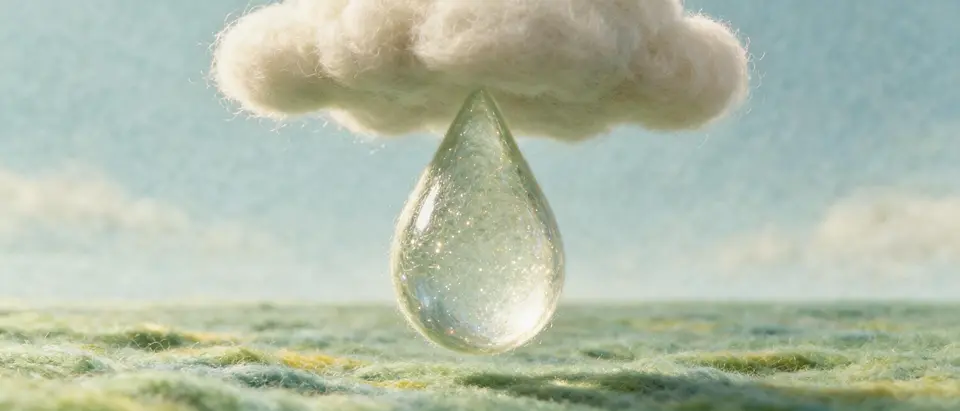
The Life Cycle of Water
This is something you probably did not know:
A drop of water spends an average of nine days in the atmosphere before falling back to Earth. If it should fall in the ocean, pode demorar mais de três mil anos a voltar a evaporar!it may take over three thousand years before evaporating again!
See what it says in English
Click the sentence again to see the Portuguese
The Plus version of this story
Uma de água uma média de nove dias na atmosfera antes de cair novamente na Terra. Se cair no oceano, pode demorar mais de três mil anos a voltar a evaporar!
A drop of water spends an average of nine days in the atmosphere before falling back to Earth. If it should fall in the ocean, it may take over three thousand years before evaporating again!
Words in this story
Gota (drop)
Some common idioms with the word “gota” are:
- 💧 Ser a última gota (to be the last drop/straw) is used when a limit is reached.
- 🌊 Ser uma gota no oceano (to be a drop in the ocean) when something is very insignificant.
Passa (spends)
“Passar” means “to pass” but here it is translated as the verb “to spend,” referring to the time that has passed.
There is a Plus version of this story
The same story, taken further, for DailyNata Plus members. This one works on idioms and expressions.
- Whole story in both languages
- Key words explained
- Level B1–B2