
Old Lady & the Hospital
An old lady telephoned the hospital and asked, "Is it possible to know how a patient is doing?"
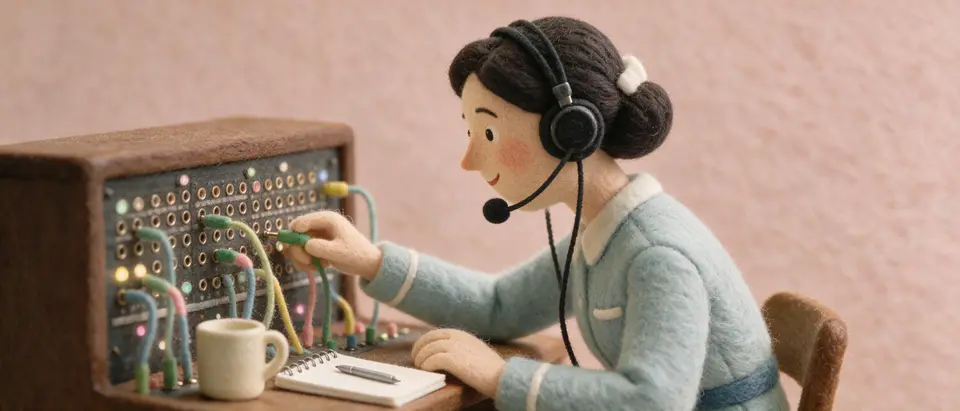
The operator said, "Yes, it is. What's the name and room number?"
- "Alice, Room 604."
- "Please, hold on for a minute."
After a few minutes, the operator said, "I have good news. Alice’s health is improving and she will be discharged on Tuesday."
- "Thank you. God bless you!"
- "You're more than welcome. Is Alice your daughter?"
- "Não, eu sou a Alice, do quarto seiscentos e quatro. Ninguém me diz nada.No, I'm Alice from room 604. No one tells me anything."
See what it says in English
Click the sentence again to see the Portuguese
The Plus version of this story
Uma telefonou para o hospital e perguntou “É possível saber como está uma paciente?”A operadora disse: “Sim, é. Qual é o nome e o número do quarto?”- “Alice, quarto seiscentos e quatro.”- “Por favor, aguarde um minuto.”
Após alguns minutos, a operadora disse: “Tenho boas notícias! A saúde da Alice está a melhorar e vai ter alta na terça-feira.”
- “Obrigada! Deus a abençoe!”- “Não tem de quê! A Alice é sua filha?”- “Não, eu sou a Alice, do quarto seiscentos e quatro. Ninguém me diz nada."
An old lady telephoned the hospital and asked, "Is it possible to know how a patient is doing?"The operator said, "Yes, it is. What's the name and room number?"- "Alice, Room 604."- "Please, hold on for a minute."
After a few minutes, the operator said, "I have good news. Alice’s health is improving and she will be discharged on Tuesday."
- "Thank you. God bless you!"- "You're more than welcome. Is Alice your daughter?"- "No, I'm Alice from room 604. No one tells me anything.”
Words in this story
Velhinha (old lady)
There is a Plus version of this story
The same story, taken further, for DailyNata Plus members. This one works on present subjunctive.
- Whole story in both languages
- Key words explained
- Level B1–B2