
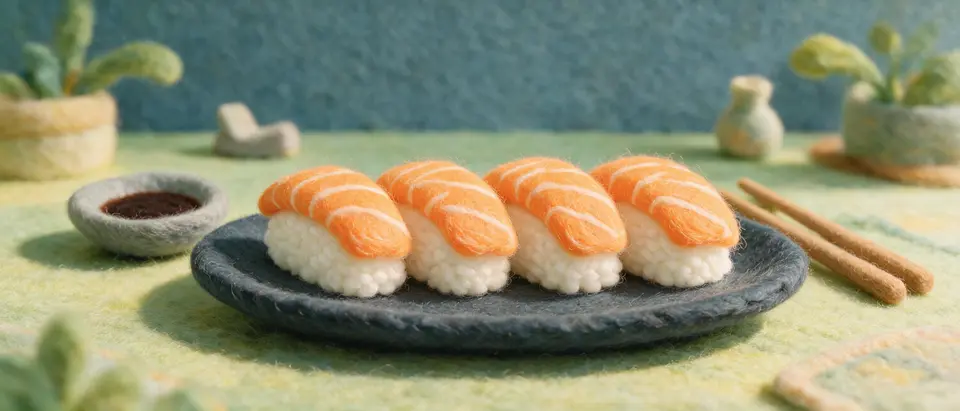
The Invention of Salmon Sushi
Traditionally, the Japanese did not eat salmon sushi. In fact, many purist sushi shops still do not serve salmon. It wasn't until the 1980s that um empresário norueguês introduziu o salmão como ingredientea Norwegian businessman introduced salmon as an ingredient in sushi, in order to sell their surplus salmon to Japan.
See what it says in English
Click the sentence again to see the Portuguese
The Plus version of this story
Tradicionalmente, os não comiam sushi de . Na , muitas das lojas de sushi puristas ainda não servem salmão. Só nos anos oitenta é que um norueguês o salmão como ingrediente do sushi, a fim de vender o seu de salmão ao .
Traditionally, the Japanese did not eat salmon sushi. In fact, many of the purist sushi shops still do not serve salmon. It wasn't until the 1980s that a Norwegian businessman introduced salmon as an ingredient in sushi, in order to sell their surplus salmon to Japan.
Today's vocabulary
🏯 Japonês [masc. sing. noun]: Japanese 🐟 Salmão [masc. noun]: Salmon🧐 Realidade [femin. noun]: Reality💼 Empresário [masc. noun]: Businessman🗳️ Introduzir: To introduce, to insert📈 Excedente: Surplus🎌 Japão [noun]: Japan
There is a Plus version of this story
The same story, taken further, for DailyNata Plus members. This one works on preterite vs imperfect.
- Whole story in both languages
- Key words explained
- 2 interactive exercises
- Level B1–B2